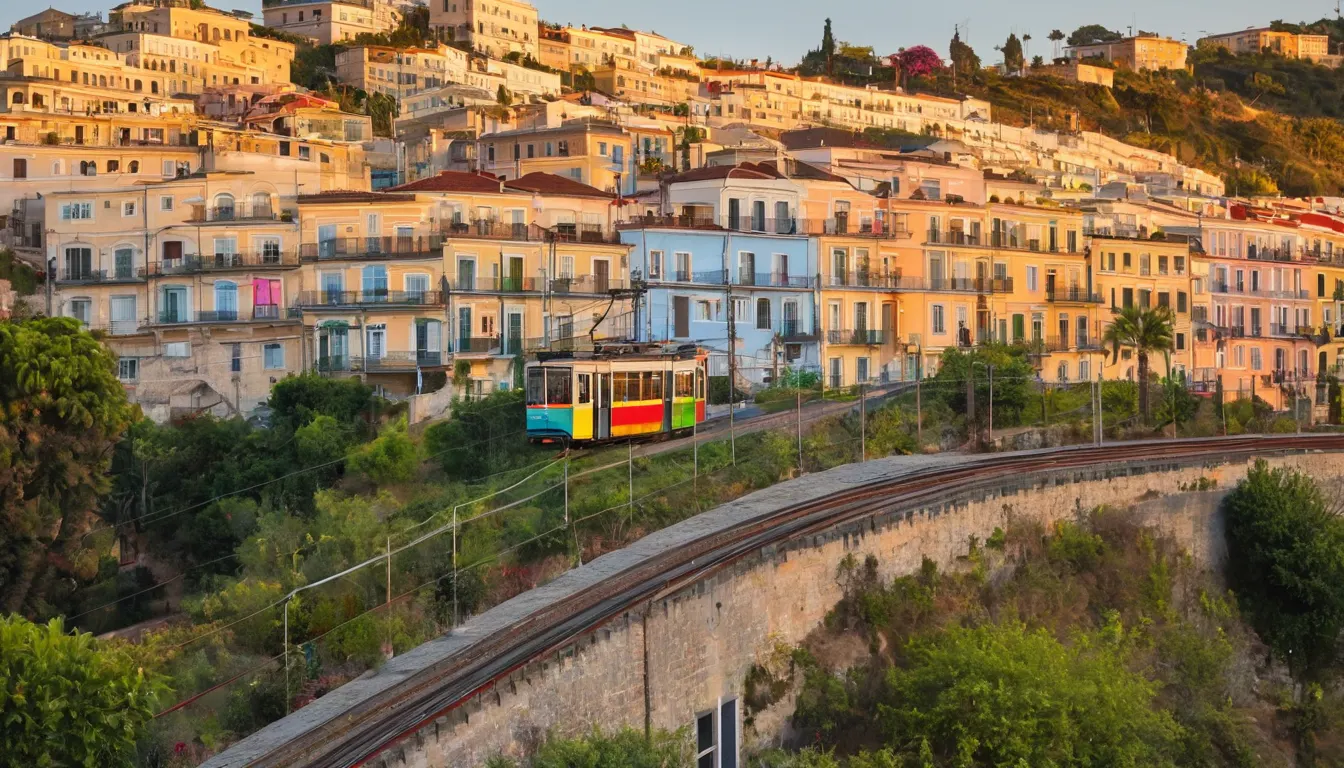
How the city fits together
The flat grid of the Baixa, rebuilt after the 1755 earthquake, sits in a valley between two hills. To the east climbs Alfama, the oldest quarter, crowned by the castle. To the west rise Chiado and Bairro Alto. Belém lies several kilometres west along the river, and the riverside Parque das Nações is to the north-east.
Comfortable shoes matter more here than in most cities. The pavements are patterned limestone, which is slippery when wet and on steep slopes.
Day 1: Alfama, the castle and the Baixa
- Start high at the Castelo de São Jorge for views across the city, then walk down through Alfama's lanes and stairways.
- Stop at one of the miradouros (viewpoints) on the way down, such as Santa Luzia or Portas do Sol.
- Visit the Sé, Lisbon's cathedral, then cross into the Baixa and out to the riverside square of Praça do Comércio.
- In the evening, Alfama and Mouraria are traditional places to hear fado. Smaller venues are often more relaxed than the large dinner shows.
Day 2: Belém
- Take a tram, bus or train west along the river to Belém.
- See the Jerónimos Monastery and the Belém Tower, both on the UNESCO World Heritage list. Queues can be long, so arrive early or book ahead where online tickets are offered.
- Walk past the Monument to the Discoveries and along the waterfront. Several museums are close by if the weather turns.
- Back in town, spend the evening in Chiado or Bairro Alto, which gets lively late at night.
Day 3: a day trip
| Trip | How | Best for |
|---|---|---|
| Sintra | Suburban train from Rossio station, under an hour | Palaces and gardens in wooded hills; very busy, so start early and book palace tickets ahead |
| Cascais and the coast | Suburban train from Cais do Sodré along the shore | Beaches, a seaside promenade and an easy, low-planning day |
| Setúbal and Arrábida | Train or bus across the river | Coves, hills and seafood; quieter than the Sintra side |
Getting around
- Metro: four colour-coded lines, quick for longer hops. Load trips onto a rechargeable travel card or check whether contactless payment is accepted on your route.
- Trams: the historic tram 28 runs through Alfama and Graça and gets crowded with visitors. Ride early or late, and watch your pockets.
- Funiculars and lifts: short historic lines take the edge off the steepest hills.
- Trains: suburban lines serve Sintra and the Cascais coast. Long-distance trains to Porto leave from Santa Apolónia and Oriente.
Where to stay
For a short visit, the Baixa and Chiado are central and well connected. Alfama is atmospheric but hilly and can be noisy at night. Príncipe Real is calmer and residential. If you plan to arrive or leave by long-distance train, staying near a metro line to Santa Apolónia or Oriente saves time.
Check before you go: opening days, hours and ticket arrangements for the castle, monastery and Sintra palaces all change. Many museums close one day a week. Confirm on each official site.